The evidence that decides your case is usually gone within thirty days.
Security footage overwrites itself. Maintenance tickets get archived. The hazard itself gets repaired, which is good for everyone and terrible for proof. The single most useful thing that happens early in a premises case is a preservation letter going out to the property owner before any of that happens.
That is the first thing I do.
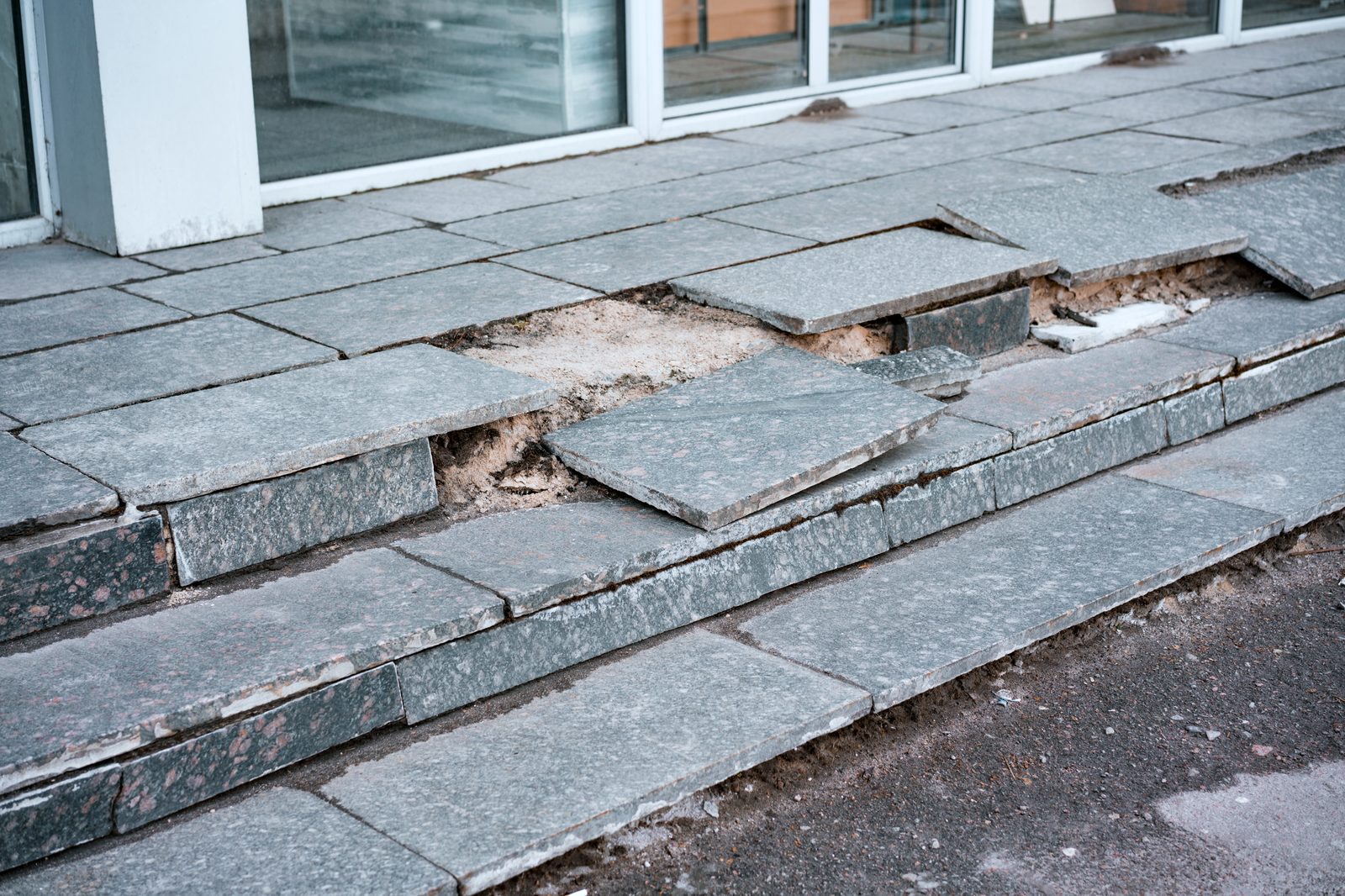
What the property owner owed you depends on why you were there
Texas sorts visitors into categories, and the category changes the duty.1
Invitee
You were there for the owner's benefit, which covers most customers in most stores. The owner owes a duty to make the property reasonably safe, or to warn you about a dangerous condition it knew about or should have found through reasonable inspection.
Licensee
You were there with permission but for your own purposes, such as a social guest. The duty is narrower: not to injure you willfully or through gross negligence, and to warn about or make safe a dangerous condition the owner actually knew about.
Trespasser
The duty shrinks further, generally to avoiding willful, wanton, or grossly negligent injury.
Which box you land in is frequently contested, and the answer is not always intuitive. It is worth asking a lawyer rather than assuming.
- See Rosas v. Buddies Food Store, 518 S.W.2d 534, 536 (Tex. 1975) (describing the distinct duties an occupier of land owes to invitees and licensees); Keetch v. Kroger Co., 845 S.W.2d 262, 264 (Tex. 1992) (stating the elements of an invitee's premises-liability claim).
Expect to be blamed. It is the standard defense.
Almost every premises defendant argues that the hazard was open and obvious, that you were looking at your phone, that you were wearing the wrong shoes, or that you should have watched where you were going. Texas assigns a percentage of responsibility to each party, and if a jury puts more than fifty percent on you, you recover nothing.1 Below that line, your recovery is reduced by your percentage.
This is why the details you think are unimportant tend to matter: what you were carrying, where the lighting was, whether the lip was the same color as the pavement around it, whether a display or a parked car blocked your view of it.
- Tex. Civ. Prac. & Rem. Code Ann. §§ 33.001, .012 (barring recovery when the claimant's percentage of responsibility exceeds fifty percent, and reducing damages by the claimant's percentage below that threshold).
Hard and weak are not the same thing.
A lot of good cases get declined all over town for one reason: they take work up front that most dockets are not built to absorb. Those are the ones I built this practice around. If another lawyer already told you no, that tells me the case is unusual, not that it is bad.
- Injuries at amusement parks, water parks, trampoline parks, and other paid recreation, where waivers scare firms off before anyone reads what the waiver actually covers.
- Falling merchandise and overhead hazards in warehouses and big-box stores.
- Structural failures: collapsing decks and balconies, failed railings, stairs that gave way.
- Slip cases where the surface was always wet or greasy, a leak, condensation, a drainage problem, because a recurring condition the owner lived with is a very different case from a dropped drink.
- Assaults at businesses that skimped on security, where the fight is proving the danger was foreseeable.
- Serious injuries at Texas employers that opted out of workers’ compensation, where the law strips the employer of its favorite defenses and most lawyers never check.
Things people ask before they call
What does it cost to hire you?
Nothing up front, ever. I work on a contingent fee, meaning a percentage of what I recover, agreed in writing before I start. I advance the case expenses myself, and if there is no recovery you owe me nothing, including those expenses.
How long do I have to bring a claim?
For most Texas injury claims, two years from the date of the injury. If your fall was on city, county, school, or other government property, written notice can be required within six months, and some city charters make it even shorter. If you are anywhere near either deadline, contact a lawyer this week, mine or anyone's.
The store says I should have watched where I was going. Do I still have a case?
Maybe. Texas reduces your recovery by your percentage of responsibility and bars it entirely if a jury puts more than half the fault on you. Being blamed is the standard defense, not the end of the case. Whether it sticks depends on the lighting, the sightlines, and what the property owner knew, which is exactly what the investigation is for.
I didn't report the fall or take pictures. Is it too late?
No. Most people who contact me have no photos and no incident report. The records that decide these cases, inspection logs, work orders, prior complaints, and camera footage, already exist on the property owner's side, and the law provides ways to get them. What matters most is moving before that evidence is routinely destroyed.
Will I have to go to court?
Most premises cases resolve by settlement, and no settlement happens without your approval; the decision to accept or reject any offer is always yours. Filing suit is sometimes necessary to get the defense to take a case seriously, but filing is not the same as a trial, and I will tell you plainly at every stage what I think the realistic path looks like.
What to do in the first week
- Report the fall to the manager on duty and ask for a written incident report. Ask for a copy.
- Photograph the hazard itself, the surrounding area, the lighting, and your shoes, before it gets repaired. Put a coin or your phone in frame for scale.
- Get names and phone numbers of anyone who saw it, including employees.
- See a doctor, even if you think you are only bruised. Gaps in treatment are used against you later.
- Do not give a recorded statement to an insurance adjuster before you have talked to a lawyer.
- Keep the shoes and clothes you were wearing. Do not wash them.